EXTERNAL ENVIRONMENT
Our operating landscape
Demand for steel has a strong
correlation with global economic
development. The steel
industry contributed 0.7% to
global GDP (gross value added
~US$ 500 billion) (Worldsteel, May
2019) and employs over 6 million
directly and over 40 million
indirectly.
India continues to be the second largest producer of crude steel in the world. JSW Steel and subsidiaries contribute ~23% of the steel produced in the country. However, India’s per capita steel consumption of 74.1 kg is only a third of the global average. The Government of India has implemented policy interventions to more than double the consumption to 160 kg by FY 2030-31, in line with the nation’s growth ambitions. This bodes well for the growth of the Indian steel industry over the next decade.
World economy

Prolonged recovery
With the outbreak of the COVID-19 pandemic, the world economy was brought to a standstill with significant impact on trade, supply chains and most importantly, human lives. According to the World Economic Outlook (June 2020) of the International Monetary Fund (IMF), the global economy is expected to witness a 4.9% de-growth in 2020 and could recover to a 5.4% growth level in 2021.
Before the pandemic struck, for the large part of 2019, global trade wars dampened business sentiment and overall trade slowdown characterised the global economy. The year 2020 started on an optimistic note, with the Brexit and US-China trade wars subsiding, complemented by continued policy rate easing by most central banks around the world.
JSW Steel’s response/strategic action
With appropriate and agile course-correction strategy and a prudent risk management policy in place, JSW Steel is well positioned to navigate the near-term challenges and adapt to the evolving macroeconomic scenario.
THE GLOBAL ECONOMY IS EXPECTED TO WITNESS A 4.9% DE-GROWTH IN 2020; AND COULD RECOVER TO A 5.4% GROWTH LEVEL IN 2021
Read more in the Management discussion and analysis' sectionIndian economy
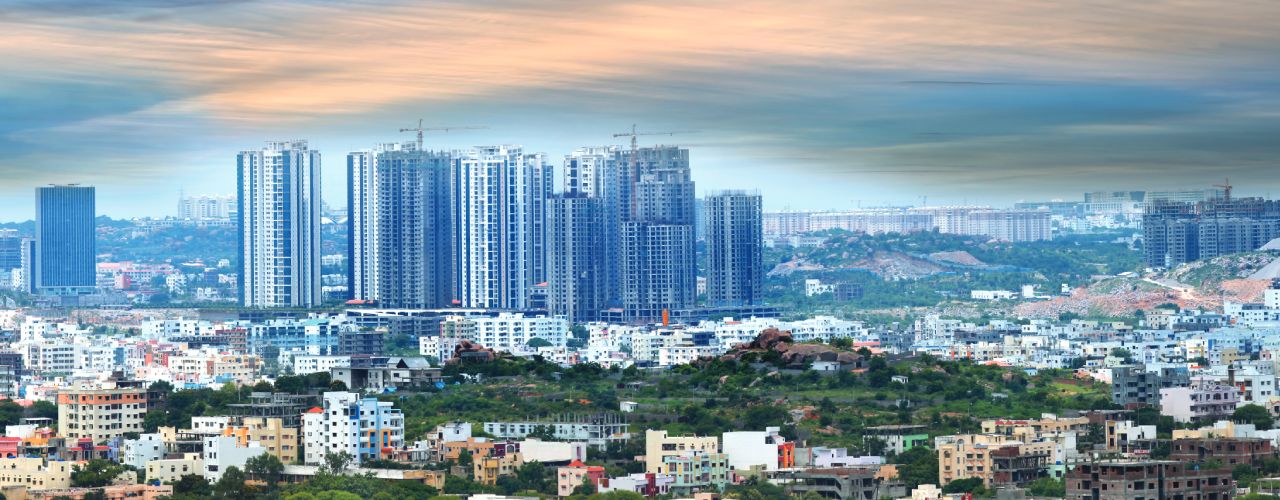
Driven by long-term optimism
The first nine months of FY 2019-20 witnessed high levels of volatility owing to the stress in the financial services sector and slowdown in infrastructure spending. The credit crunch during the first half of the year significantly hampered demand growth in the economy. These were further aggravated by a slowdown in domestic consumption and a decline in manufacturing. However, towards the second half of the financial year, there were early signs of recovery.
With the COVID-19 outbreak, economic activities came to a standstill from March 2020. According to the Ministry of Statistics and Programme Implementation, the country’s GDP growth decelerated to 4.2% from 6.1% in the previous year, with March-quarter growth slowing to 3.1%.
JSW Steel’s response/strategic action
We remain bullish on India’s growth story and the expansive role the country needs to play on the global front. With a conducive policy ecosystem and active government expenditure on key segments, we are confident of India remaining resilient in the near term and achieving inclusive growth, going further.
ACCORDING TO THE MINISTRY OF STATISTICS AND
PROGRAMME IMPLEMENTATION, THE COUNTRY’S GDP
GROWTH DECELERATED TO
4.2% IN FY 2019-20
Global steel industry
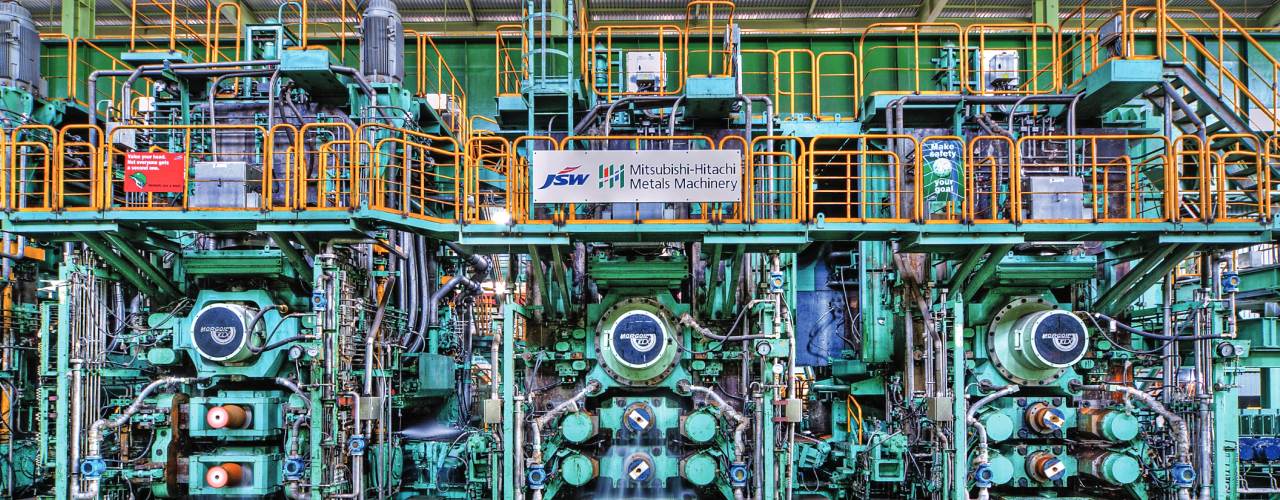
Existing sentiment further weakened
For the steel industry, 2019 was a challenging year. The demand in several economies contracted, with the exception of Asia, Oceania and the North American Free Trade Agreement (NAFTA)* group. This caused the overall demand growth to be ~3.9%. Crude steel production grew by 3.4% led by Asia, the Middle East and the US.
Towards the end of FY 2019-20, the pandemic restricted
operations and trade of most commodities, including
steel. As nearly a third of the steel produced in the world
is traded, supply chain disruptions are likely to have a
significant impact on the steel industry in the
near term.
World Steel Association forecasts steel demand in 2020 to contract by 6.4% to 1,654 MnT due to the pandemic. In 2021, steel demand is expected to recover to 1,717 MnT, rising 3.8% over 2020. The forecast is based on the assumption that most countries will ease lockdown measures during July; and that the major steelmaking economies will not be hit by a second wave of the pandemic.
JSW Steel’s response/strategic action
The weak global steel demand outlook is likely to have a significant impact on our export sales. However, given our leadership position in the domestic market we are favourably positioned to recalibrate our operations in line with the changing supply-demand dynamics across markets. Further, our operations in Europe and the Americas are catering to regional demand.
IN 2021, STEEL DEMAND IS EXPECTED TO RECOVER TO 1,717 MNT, RISING 3.8% OVER 2020
*NAFTA member states are the US, Canada and Mexico
Read more in the Management discussion and analysis' sectionIndian steel industry
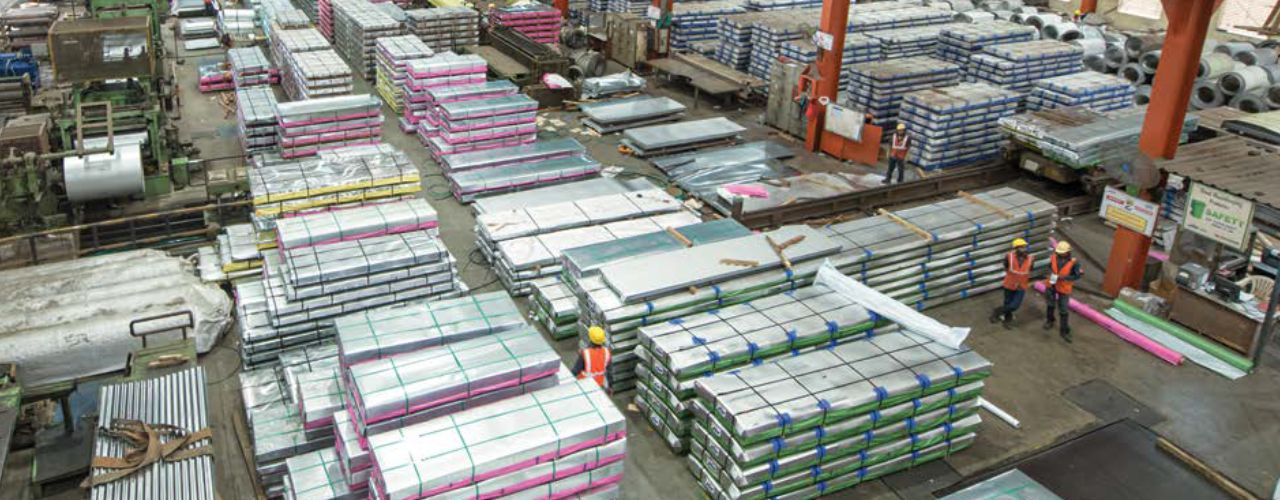
Constantly Evolving Scenario
India is now the world’s second largest producer of crude steel, producing 111.245 MnT (provisional) crude steel with 1.8% growth rate over January-December, 2019. The country is also on its way to becoming the second largest consumer of finished steel in 2019, preceded by China as the largest steel consumer (2019: 900 MnT) as per the Short-Range Outlook, October, 2019 edition of World Steel Association (Source: Annual Report of Ministry of Steel, 2019-20).
The overall demand was muted in the first half of the
financial year, owing to the general elections and prolonged
weakness in the financial services sector. The BS-VI norm
directive also led automakers to shift gears to reduce
their existing inventory of pre-BS-VI models, which again
temporarily impacted steel demand. This, in turn, also put
extreme pressure on the price, with the rates conserved
under ` 40,000 (per tonne of hot rolled coil) from
July onwards.
However, towards the middle of the second half, government interventions, including public infrastructure spend and corporate tax reduction, helped revive demand. From December 2019 onwards, steel restocking commenced at the user industry level.
Following the COVID-19 outbreak and the subsequent lockdown announced by the Government of India, India’s steel companies temporarily halted their operations between March-May, 2020. Protecting the health and safety of the workforce and stringent compliance to the Government of India’s safety protocol remained a priority. Even as the industry resumed operations gradually, capacity utilisation is likely to remain low in line with muted demand in the first half of FY 2020-21.
JSW Steel’s response/strategic action
Owing to sharp decline in prices, our spreads contracted in the initial two quarters of FY 2019-20, which led us to shift our focus and direct inventory to export markets. Further, our cost-effective and efficient model enabled us to partially offset the drop in realisations and provide some cushion to margins.
Our response to COVID-19 has been captured throughout the report across relevant sections, including in strategy and ESG discussions.
WE OPERATED WITH OUR COST-EFFECTIVE AND EFFICIENT MODEL, WHICH SET OFF A PART OF THE DROP IN REALISATIONS AND CUSHIONED THE DRIVE-DOWN OF MARGINS
Read more in the Management discussion and analysis' sectionKey opportunities
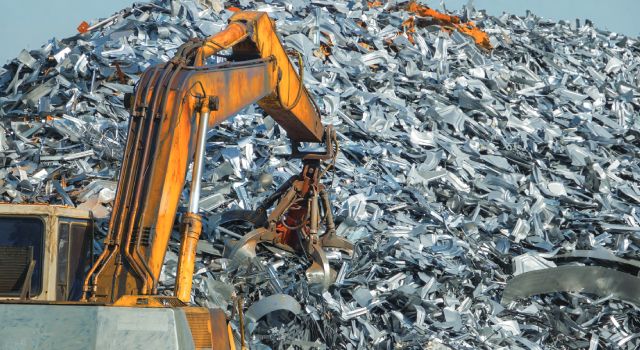
Circularity in steel
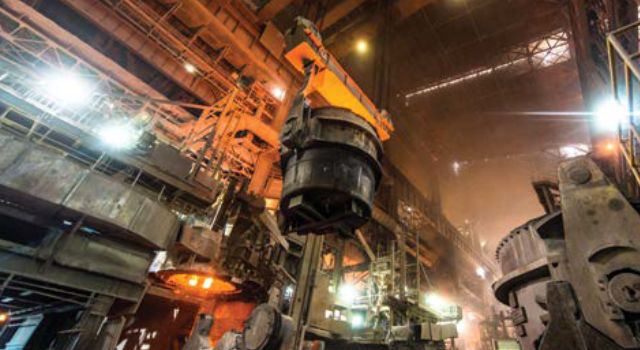
Steel is one of the world’s most recyclable materials with ~86% of the steel produced being reprocessed or repurposed. With global activism around resource conservation and environmental sustainability intensifying, demand for steel is likely to increase further given its durable strength, wide applications and recyclability without losing key properties.
Emergence of new market players
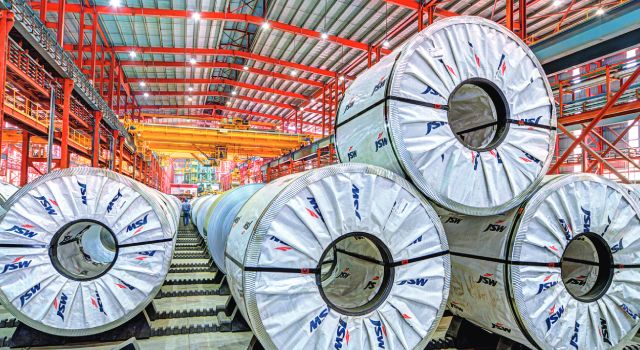
India’s long-term consumption story is unfolding and serves a significant opportunity for global producers to raise the bar and deliver better outcomes for stakeholders. There is also consolidation taking place, with large-scale and well-resourced domestic players gaining prominence in the market.
India’s rising prominence
India is well-positioned to take on the opportunities presented by geopolitical developments such as US-China trade uncertainties, Brexit, and its emergence as a trusted and viable alternative investment destination. India is a natural choice for several suppliers and investors and with the right policy support, the country can make the best out of the scenario.
National Infrastructure Pipeline (NIP)
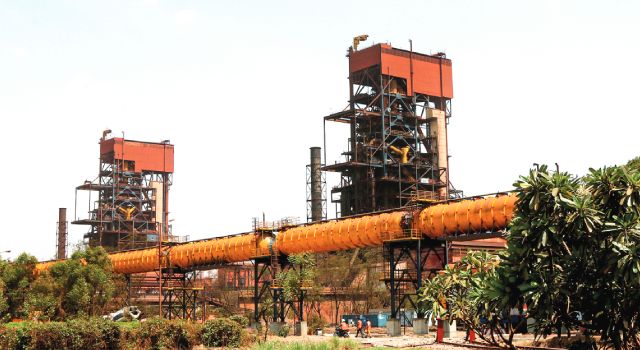
The NIP announced an investment of ` 102 lakh crore by FY 2024-25, of which roads, energy and urbanisation will account for ~60%. Steel is an immediate beneficiary in this massive infrastructure development plan.